Quantum Computing
Illinois is investing in Quantum Computing to position the state as a global hub for quantum technology, driving innovation and economic growth. Learn how IMSA plays a key role in this vision by developing a local talent pipeline to support this transformative technology and solidify Illinois’ leadership on the world stage.
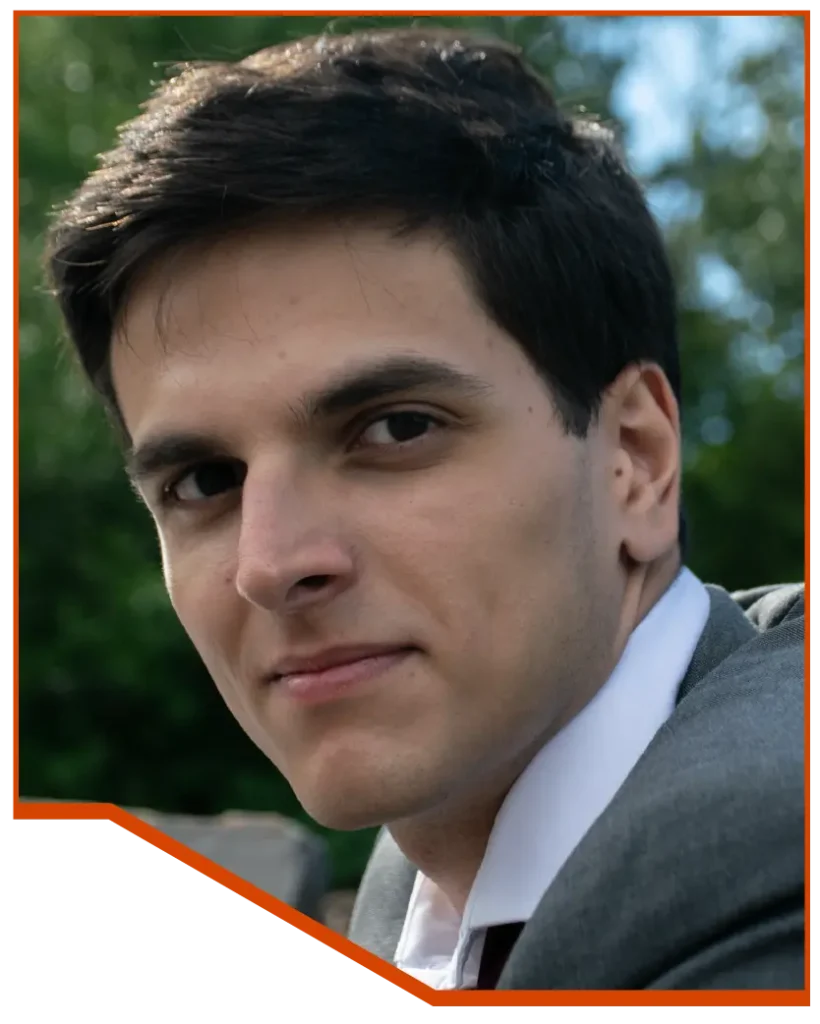
Karthik Prasad ’26 Discusses His Quantum Research as a 2026 Regeneron Scholar
Karthik Prasad ‘26 was named a Regeneron Science Talent Search Scholar, one of 300 selected from over 26,000 applicants nationwide. His research on Yetter-Drinfeld modules advances abstract algebra, with potential applications in quantum theory. Learn more here.
Working to Make Quantum Computers More Reliable
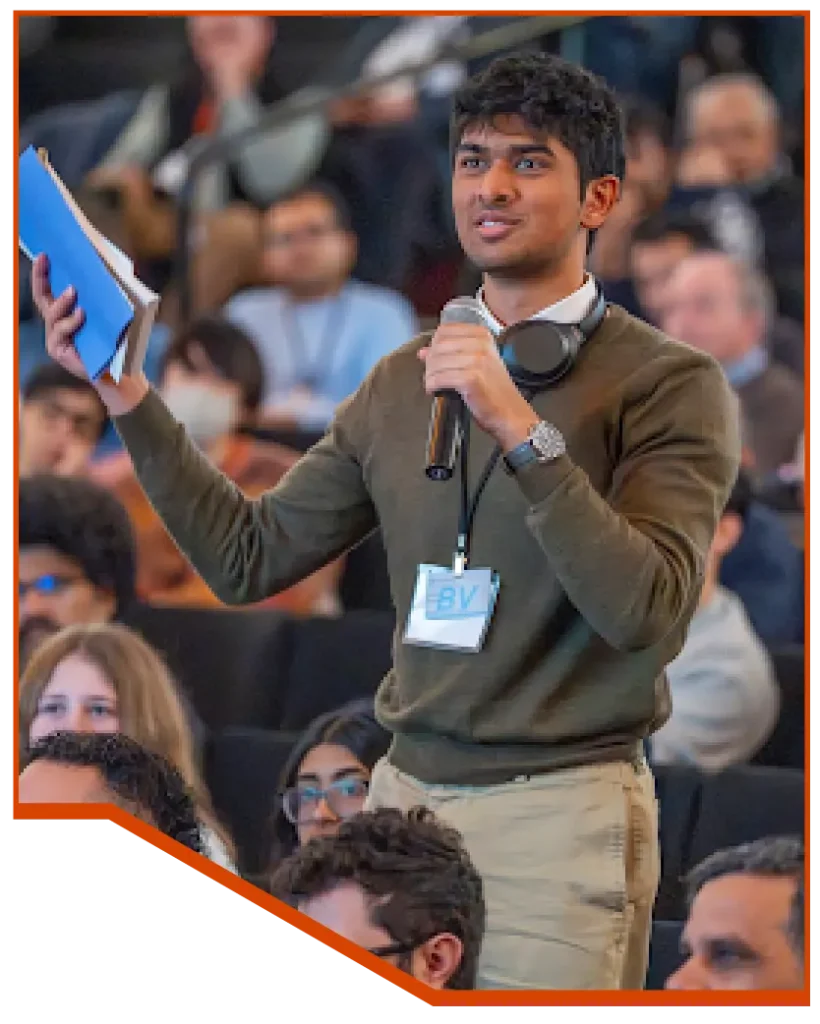
Senior Aditya Tiwari is tackling one of the biggest challenges in quantum computing: how to make quantum algorithms more stable and efficient in the face of noise and hardware limitations. Through the Academy’s Student Inquiry and Research (SIR) program, Aditya is developing heuristic-guided genetic methods to optimize Ansatz design for variational quantum algorithms, or “guess” circuits used to find solutions for the most difficult set of problems, combinatorial ones, on a quantum computer, one of the most promising approaches for near-term devices.
His work focuses on improving error resistance while reducing computational overhead, enabling variational algorithms to perform more reliably on today’s imperfect quantum hardware. By refining how these algorithms are constructed and adapted, Aditya is helping pave the way for more practical quantum applications in fields like chemistry, materials science, and optimization.
His research highlights how young scientists at IMSA are contributing to the foundations of next-generation quantum technology.
Exploring Quantum Computing to Advance Cancer Classification
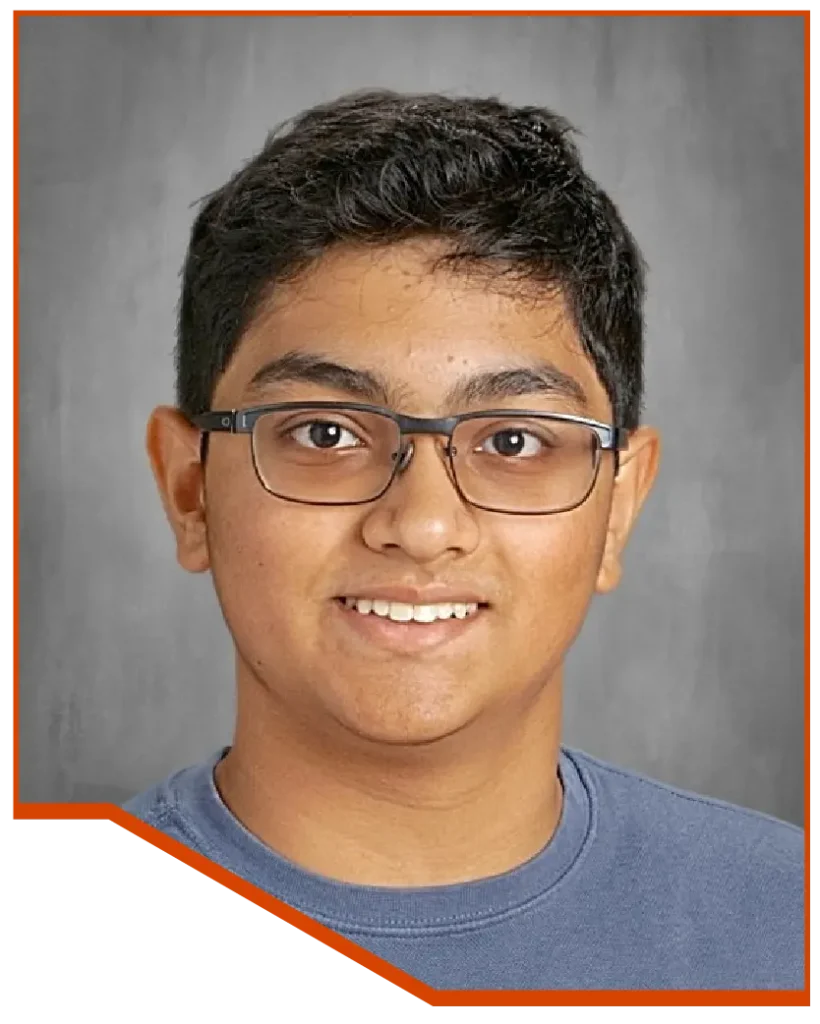
As quantum technology continues to evolve, junior Amit Prakash is exploring how it could improve cancer research. His work examines whether quantum machine learning algorithms can classify complex cancer data more effectively than today’s classical computer models.
In his study, quantum models performed comparably to traditional methods with small datasets, but began to show measurable advantages as the amount of data increased, highlighting their strong future potential in biomedical analysis.
Amit also developed a framework called the Quantum Oncological Kernel Suite (QomiKS) to support quantum-based cancer classification. His research underscores the importance of continued investment in quantum computing and workforce development to keep Illinois at the forefront of innovation in healthcare and advanced technology.
Advancing Research on Quantum Algorithms and the Hidden Subgroup Problem
Atharv Kanchi ‘27 is advancing understanding of one of quantum computing’s most important mathematical challenges: the Hidden Subgroup Problem (HSP). His research analyzes how quantum algorithms leverage the HSP to identify hidden structures within algebraic groups—an ability that gives quantum computers their significant advantage over classical systems.
The HSP forms the backbone of breakthrough quantum algorithms like Shor’s and Simon’s, which use the Quantum Fourier Transform to efficiently uncover patterns in abelian groups. Atharv’s work explores both the computational complexity and the transformative potential of these methods.
By deepening insight into the HSP, his research illuminates the mathematical framework driving quantum computing’s future—and its profound implications for fields such as cybersecurity, cryptography, and advanced data analysis.
Alumni Impact
Doug Strain ‘98
Doug, a Software Engineer at Google Quantum AI, mentors IMSA students as they dive into groundbreaking quantum computing concepts. His guidance gives students hands-on experience while demonstrating the impact of IMSA in shaping Illinois’ future in advanced technology and innovation.
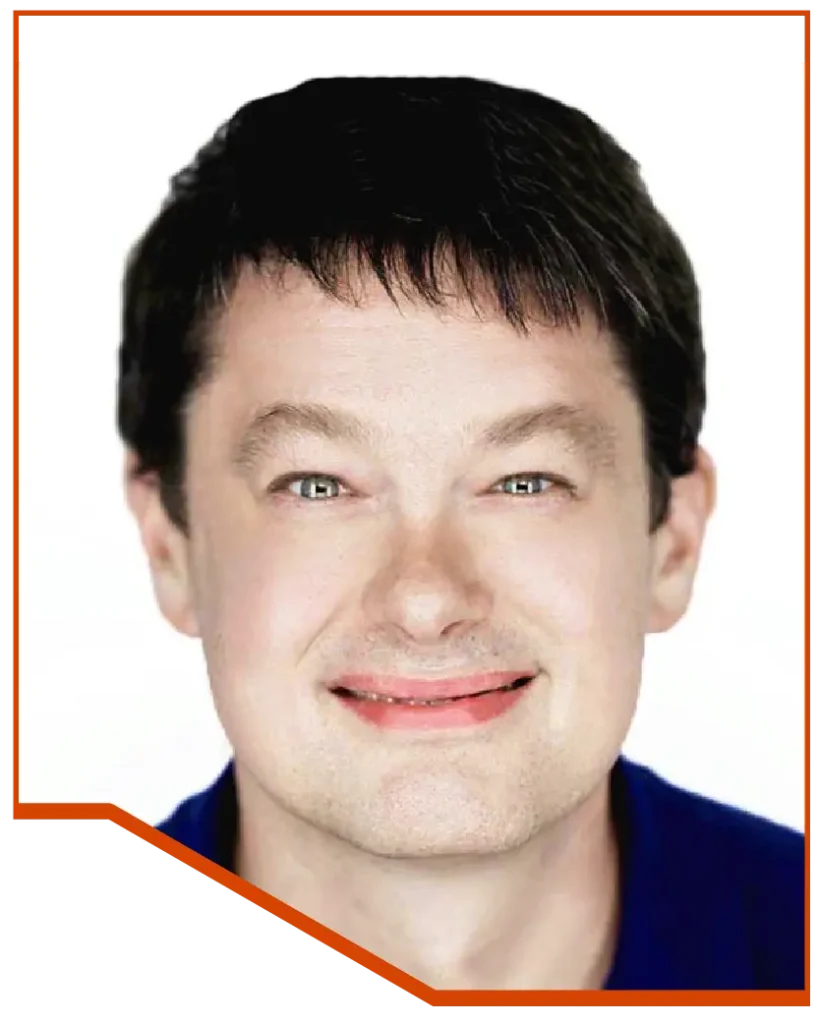
Paloma Ocola ‘12
Paloma, a Science and Engineering Consultant at Exponent, supports patent litigation, electromagnetic modeling, and control system review. She is working to bridge quantum experts with multidisciplinary engineering teams to solve complex technical challenges and drive practical innovation.
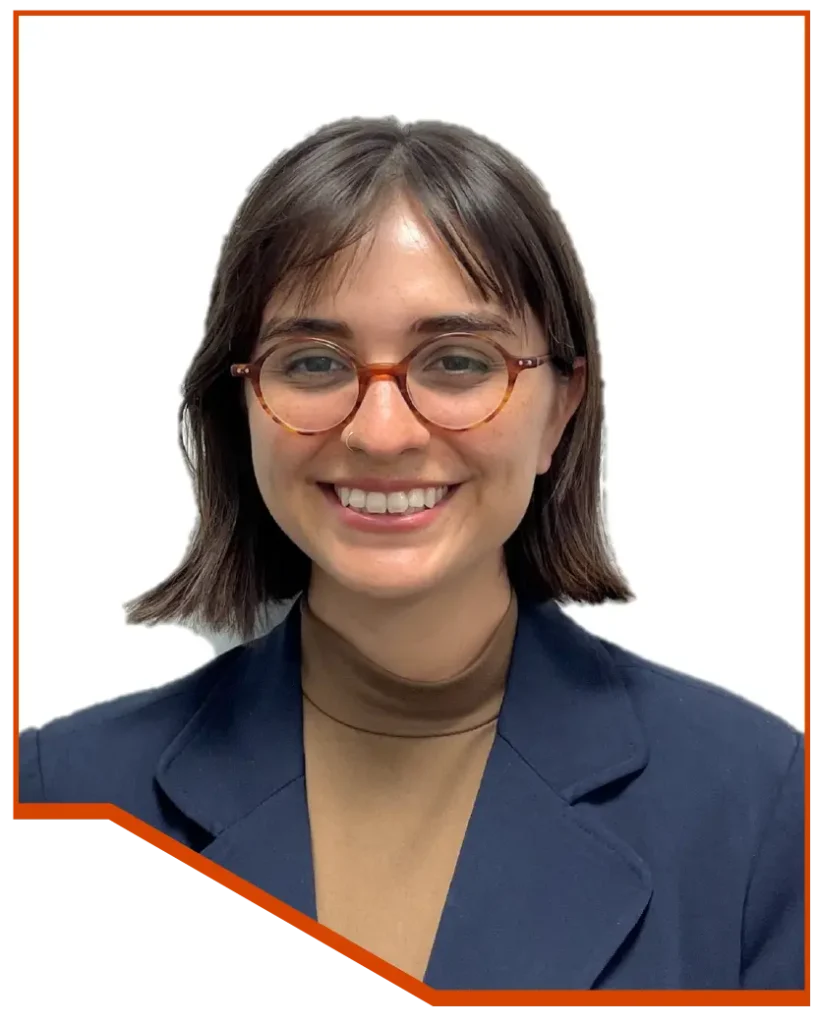
Timur Javid ‘17
Timur is a PhD student at the University of Illinois Urbana-Champaign, where he is working to increase efficiency in quantum communication networks by reducing noise in fiber optic systems. His work supports Illinois’ quantum initiatives while building more reliable, scalable quantum technologies.