Medical Innovation and Health Sciences
Medical innovation and health sciences are vital to Illinois’ economy and healthcare ecosystem. They drive medical advancements, create high-paying jobs, and address global challenges like disease prevention and treatment. Learn more about how IMSA is at the forefront of these fields, developing groundbreaking technologies, pioneering new treatments,
and shaping the future of medicine.
Advancing Maternal Health Equity
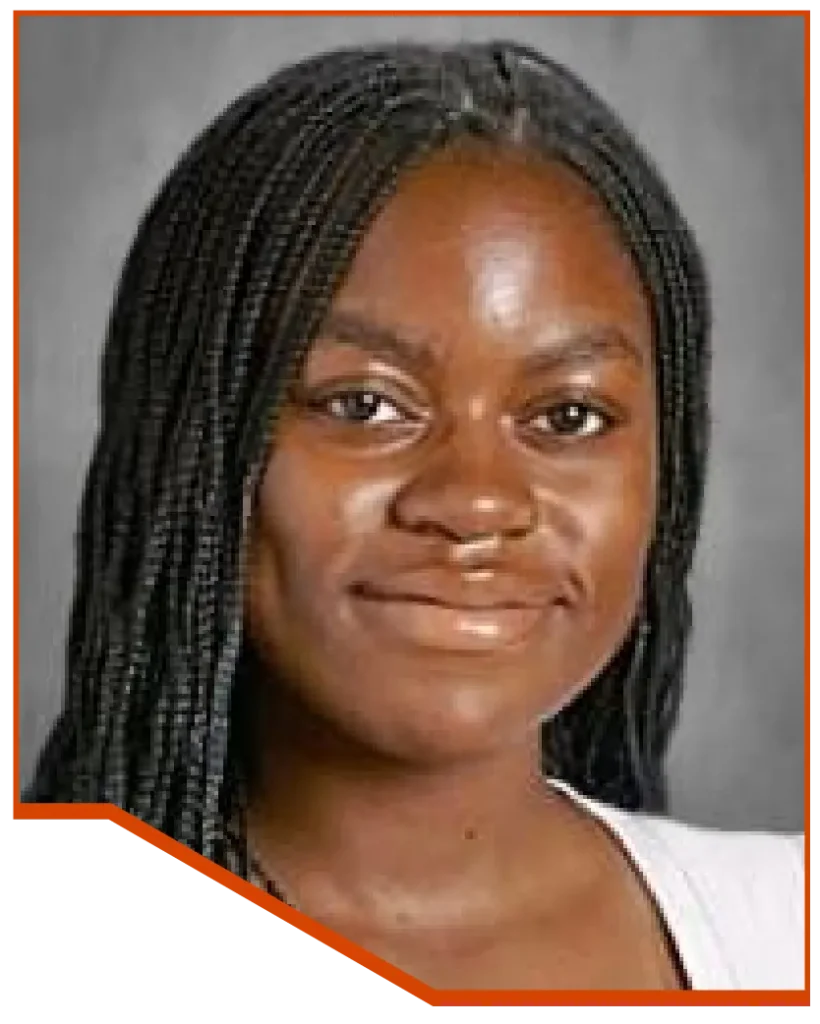
Senior Immaculate Nalule-Mugagga worked with the Well-Mama research initiative supporting efforts to address maternal health disparities that disproportionately affect Black, Indigenous, and People of Color (BIPOC) communities. The initiative integrates Community Doula Navigators into perinatal care through telehealth check-ins, support groups, and labor support, providing consistent, culturally responsive care throughout pregnancy and childbirth. By analyzing de-identified participant data, Immaculate examined how the level and type of support received may be associated with maternal health outcomes and overall well-being.
As data collection continues, this work adds to the growing evidence supporting innovative, community-based models of care with the potential to improve maternal outcomes, reduce preventable complications, and advance health equity across Illinois.
Exploring Low-Cost Natural Alternatives for Diabetes Management
Juniors Kieran Edwards and Ethan Chang conducted a comparative research study investigating cost-effective approaches to diabetes management. With diabetes affecting approximately 11% of adults worldwide and treatment costs remaining a significant barrier for many patients, the study evaluated the glucose-lowering effects of commonly used natural compounds, including stevia, ginger, cinnamon, and turmeric.
Using controlled laboratory methods, stock solutions of each compound were introduced to diabetic blood and urine samples, and glucose levels were assessed through standardized chemical analysis. Results indicated that ginger demonstrated the strongest glucose-reducing effect, with cinnamon producing comparable outcomes. Their findings have the potential to inform future clinical investigations into accessible, lower-cost approaches to diabetes care.
IMSA Students Create Smart Headband to Detect Concussions
Olivia Pan ‘27 and Isaac Lee ‘27 stood out among thousands of students worldwide in the Samsung Solve for Tomorrow Competition. Their project, H.I.A.L.O. (Head Impact & Activity Level Observer), is a smart headband designed to help detect potential concussions. The easy-to-wear headband is designed to be used during physical activity and sports. If contact with the head occurs, the device will measure the force, as well as the user’s heart rate, and send the data to an app that coaches, trainers, and parents can use to monitor student-athlete health in real time.
Their remarkable innovation has the potential to improve the health and safety of athletes worldwide.
Alumni Impact
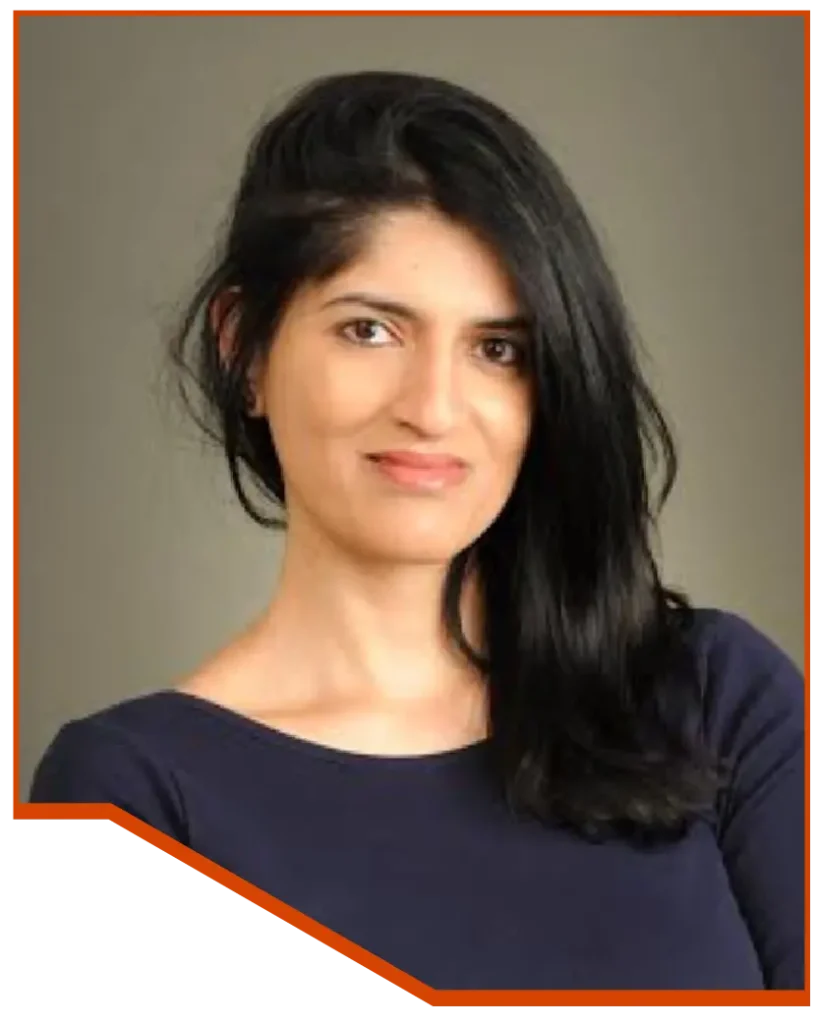
Dr. Joseph Turek ‘90
Dr. Turek, a leading innovator in pediatric heart surgery, pioneered a new field by performing the world’s first partial heart transplant and a thymus-heart co-transplant, potentially transforming transplantation by making it possible to implant organs that may not require immunosuppression or risk rejection. In 2026, he was named to the Time 100 Health list for his groundbreaking contributions to the field.
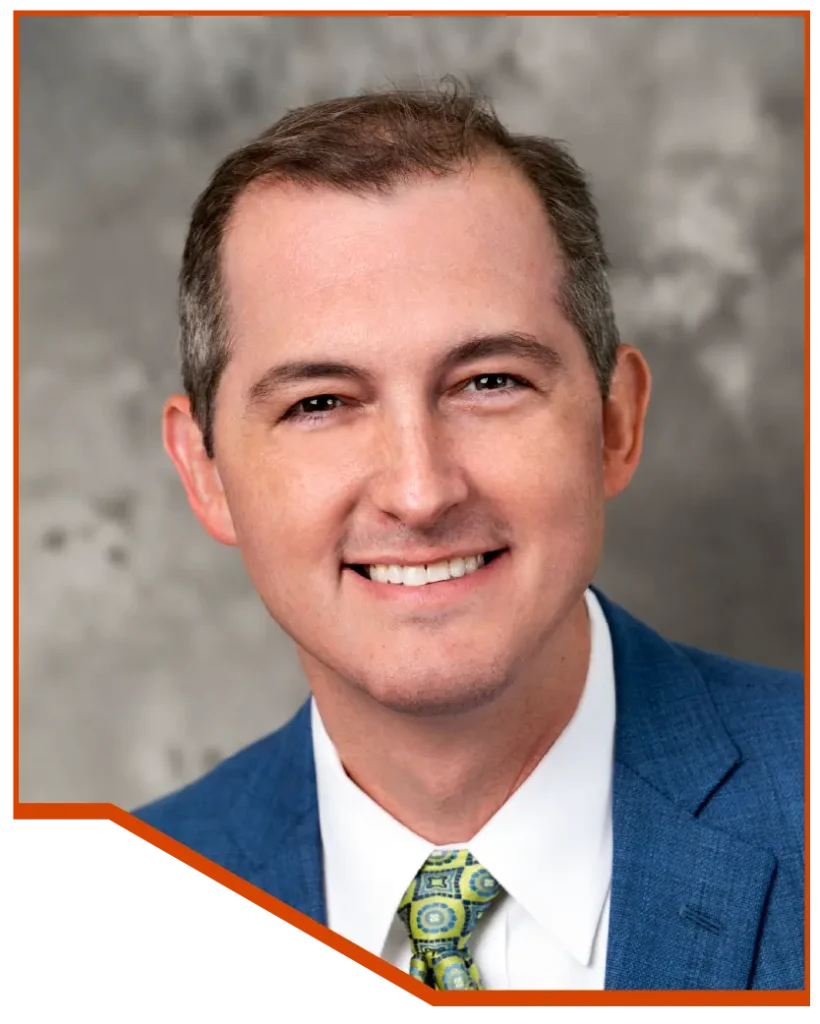
Dr. Carl Earl Lambert Jr. ‘03
Dr. Lambert serves as medical director of the Rush University Family Physicians group, providing compassionate, preventive care while leading medical education initiatives. He has earned national recognition for his advocacy and mentorship, including being named to the National Medical Association’s Top Healthcare Professionals Under 40 list.
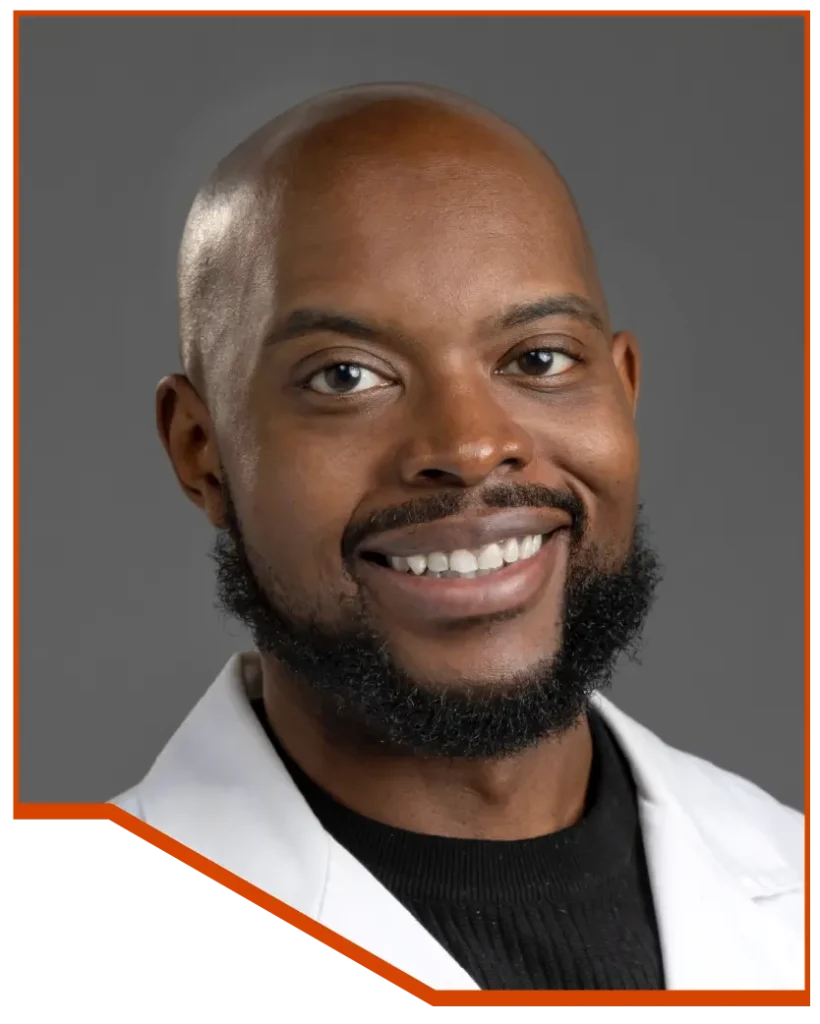
Dr. Ramona Bhatia ‘99
Dr. Bhatia is a global HIV expert, working as the CDC Country Director for Kyrgyzstan and HIV & TB Program Director for Central Asia. As an infectious diseases physician, she has spent her career working tirelessly to improve HIV treatment and prevention in the public health system, first with the Chicago Department of Public Health and now with CDC. She is currently leading efforts to strengthen health systems throughout Central Asia.